Using Workaway: Travel for Free Through Volunteering
Reading time: 9 minutes
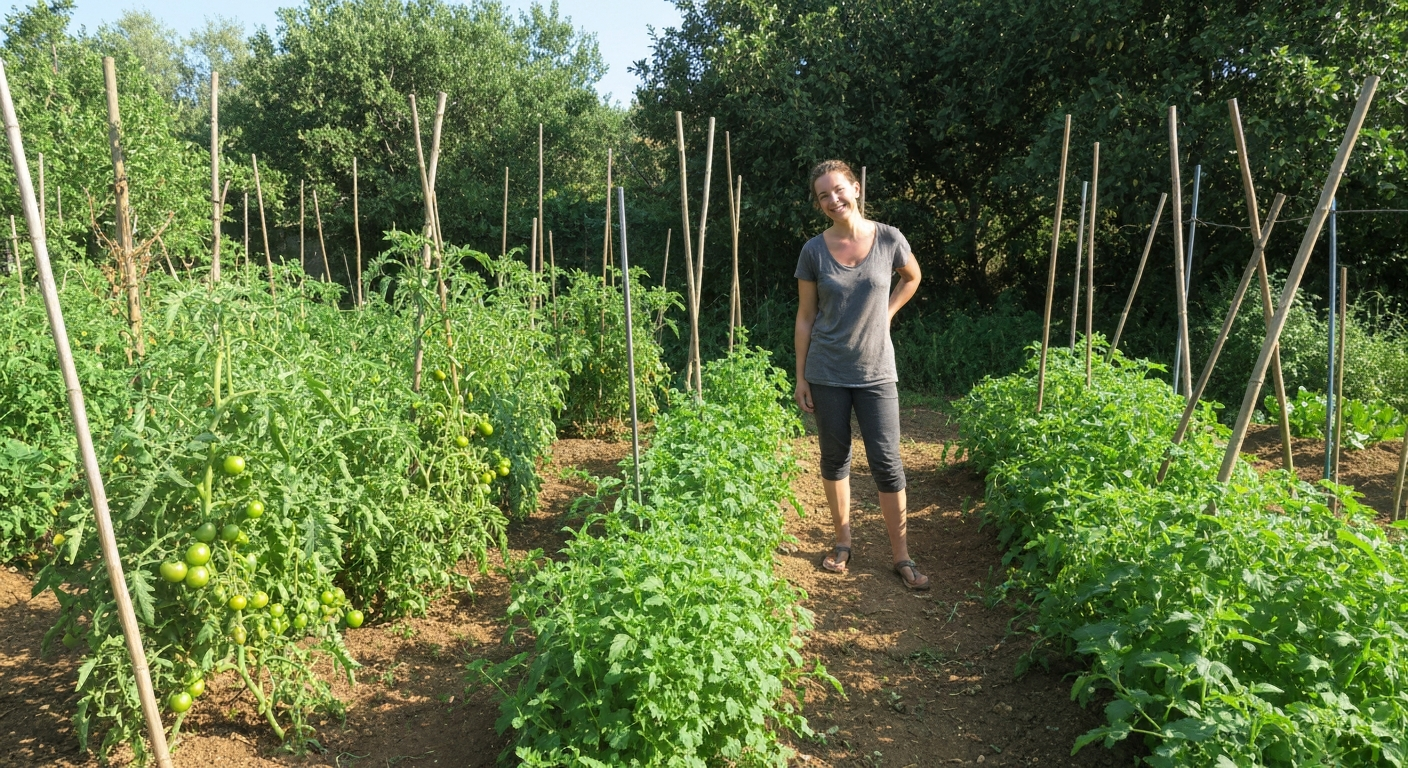
I was standing in a hostel in Lisbon with $25 in my bank account, and I knew: the next three weeks in Europe were out of reach with my budget. Then I stumbled across Workaway, signed up, and two days later I was helping out on a permaculture farm in Sintra, 40 minutes outside Lisbon. Room, board, and an incredible amount learned about sustainable gardening. No joke: through volunteering abroad, I saw more of Europe than my friends with full-time jobs.
Workaway is a platform that connects travelers with hosts worldwide. The principle: you work 4-5 hours a day for a host and get free accommodation and meals in return. No pay, but the savings are huge. According to an analysis by Workaway itself from 2023, volunteers save an average of $850-1,300 per month on accommodation and food costs. For people like me, Austrians with big dreams on a small budget, that's a game changer.
How Workaway Works for Austrians
Signing up is simple: you create a profile on workaway.info, pay an annual membership of $49 (as of January 2024), and can start searching for projects right away. The platform shows you thousands of hosts in over 170 countries, from organic farms in New Zealand to hostels in South America or renovation projects in Italy.
As an Austrian, you need the right visa depending on your destination country. Within the EU, Workaway is straightforward, since you simply enter with your national ID card. Outside the EU it gets more complicated: in Australia or New Zealand you ideally use a working holiday visa, and in the USA Workaway only works on a tourist visa without an official work permit, which is a legal gray area. So check the visa regulations in advance on the website of the relevant foreign ministry.
You browse projects by country, category, or keyword. Each profile shows photos, a description of the tasks, reviews from previous volunteers, and the host's response rate. I always filter for hosts with at least 5 positive reviews and a response rate above 80 percent. Then you send a personal message, briefly describe why you're interested in the project, and ask about available dates. If the host says yes, you work out details like travel, working hours, and house rules.
What Projects Are Available on Workaway
The variety is enormous. Over the last three years I've worked on 11 different projects through Workaway, from olive harvesting in Crete to social media management for a surf camp in Portugal. The most common categories are agriculture and gardening, hostel and guesthouse help, teaching languages or music, construction and renovation projects, childcare, and animal care.
A concrete example: in summer 2023 I helped out at a farm called "La Junquera" in Andalusia, Spain. I worked 5 hours a day growing vegetables, tending irrigation systems, and caring for goats and chickens. In return I got my own room in a converted stone house, three meals a day from the farm's own harvest, and two days off a week. On those days I took the bus to Seville or Granada, each less than an hour away.
Another project was a hostel in Porto, Portugal, where I spent 4 hours a day helping at the front desk, checking in guests, and creating social media content. In return I slept in a dorm room but got breakfast and access to the hostel kitchen. I got to know an international team there and picked up insider tips on the best port wine cellars in Vila Nova de Gaia.
Workaway Experiences From Young Travelers
By its own account, Workaway has over 2 million registered members worldwide. I've talked to dozens of other volunteers, and the experiences are consistently positive as long as you stay realistic. A friend from Chicago, Anna, 25, spent three months on various farms in Ireland and told me: "I learned more about self-sufficiency than from any YouTube tutorial, and I came home with a whole new sense of confidence."
Another traveler, Luke from Denver, 28, spent six weeks at a yoga retreat in Bali, helping with teaching and cooking. He stressed: "The community is the best part. I made friends from Brazil, Canada, and Japan, and I'm still in touch with them today."
Not every experience is perfect. I once had a host in France who expected more working hours than agreed, and the accommodation was a damp basement. I left after three days and made that clear in my review. Most hosts are fair and grateful, though. According to a 2022 survey by the platform Hostelworld, 87 percent of participants rate their volunteer experiences as positive or very positive.
Is Workaway Safe and Legitimate
The question of safety is a fair one. Workaway itself doesn't actively verify hosts, but relies on its review system. Before every application I take a close look at the profile: how long has the host been registered, how many volunteers have reviewed them, and what do the reviews say? I usually avoid hosts with fewer than three reviews, unless the project sounds truly unique.
Workaway offers a built-in messaging function, so you never have to give out your private email address. Before arriving, I always clarify: where exactly will I sleep, is there WiFi, how are meals handled, and are there other volunteers on site? If a host answers vaguely or gives off uncomfortable vibes, I cancel.
There are few statistics on safety, but the Austrian Federal Ministry for European and International Affairs generally recommends on its website, for volunteering abroad, researching offers in advance and keeping the contact details of Austrian embassies handy. I always carry travel insurance that also covers liability, and I save important numbers offline.
Tips for Safe Workaway Stays
- Choose hosts with at least 5 positive reviews and a response rate above 80 percent
- Read negative reviews closely, sometimes they reveal more than positive ones
- Clarify in writing before arrival: working hours, accommodation, meals, days off
- Share your accommodation and travel dates with family or friends
- Always have an emergency plan and money set aside for alternative accommodation
Living Abroad for Free Through Workaway
The biggest advantage is the cost savings. Let's run an example: a hostel in Lisbon costs an average of $27 per night, which adds up to $810 a month. Food from the supermarket or cheap restaurants adds another $430-540. That's $1,240-1,350 a month in total. With Workaway you only pay for your travel there and small personal expenses like excursions or snacks.
During my three months of Workaway in Spain and Portugal, I estimate I saved $3,000. I invested that money in flights to Morocco and a road trip through Andalusia instead. That freedom would have been impossible with ordinary travel. At the same time, there are hidden costs: the annual membership, sometimes travel to remote places with several connections, and you don't earn any money. So if you depend on income, classic work and travel is better.
If you can't afford the trip at all, also take a look at how you can apply for scholarships for a year abroad or whether crowdfunding for a year abroad is an option for you.
Workaway Alternatives for Traveling for Free
Workaway isn't the only platform. I also have experience with Worldpackers, HelpX, and WWOOF. Worldpackers works similarly to Workaway, costs $49 a year, and has many projects in Latin America. The platform also offers travel insurance as an add-on. HelpX is cheaper at $22 for two years, but has fewer hosts and a less intuitive interface.
WWOOF (World Wide Opportunities on Organic Farms) specializes in organic farming and is organized by country. You pay a membership of $22-43 per country. Through WWOOF I stayed on an apple farm in South Tyrol, Italy, and the atmosphere was more family-like than at many Workaway hosts, but the selection is smaller.
Another option is Couchsurfing for free accommodation, though without a work component. Or you combine strategies: I know travelers who work as an au pair during the day and freelance online in the evenings to earn extra money.
What You Really Learn on Workaway
Besides the obvious skills like gardening, animal care, or language practice, what you mainly learn on Workaway is flexibility and problem-solving. I remember a farm in Greece where the water pump broke down and we had to haul buckets by hand for three days until a mechanic came. Or the hostel in Porto, where I suddenly took over an entire front desk shift on my own because the manager got sick.
You also learn to work with people from completely different cultures. At the farm in Spain there were volunteers from Japan, Brazil, and Germany at the same time. We had different work paces, eating habits, and communication styles, but in the end we became a tight-knit group.
According to a 2021 study by the European Commission, 76 percent of young Europeans who volunteered abroad say it made them more confident and adaptable. I can confirm that from my own experience. After three months of Workaway I landed marketing jobs because in interviews I could talk concretely about the social media campaigns I'd run for a surf camp.
Frequently Asked Questions About Workaway
How many hours a day do I work on Workaway
The standard arrangement is 4-5 hours a day, 5 days a week. Some hosts offer flexible models where you work, say, only 3 days but 7 hours a day. Clarify this in writing in advance and document the agreement.
Do I need prior experience for Workaway projects
No, most hosts are looking for motivated people, not experts. Of course it helps if you speak fluent English for a teaching project or have manual skills for a renovation project. But I had zero gardening experience before I started on my first farm. The hosts show you everything.
What happens if the host and I don't get along
You can leave at any time. Workaway isn't a commitment, it's a voluntary agreement. I recommend staying at least three days to give the project a fair chance. If it truly doesn't work out, talk openly with the host, pack your things, and leave the project respectfully. Leave an honest review so other volunteers are warned.
Is Workaway safe for solo travelers
Yes, if you choose smartly. Many projects have several volunteers at the same time, which increases safety. Especially for your first Workaway stay, I recommend a project with other volunteers or at least in a larger city, where you can quickly find alternative accommodation if needed.
Can I combine Workaway with full-time travel
Absolutely. Many digital nomads use Workaway to cut costs in between and get to know new places. You work 4-5 hours for the host and have time in the afternoon or evening for your own work, as long as there's WiFi. On several farms I worked on the side as a freelance copywriter.
My Conclusion: Workaway Is More Than Traveling for Free
Workaway opened doors for me that I would never have seen through classic tourism. I've cooked in kitchens with locals, sweated in fields, and learned management skills in hostels that shape my business today. At the same time, Workaway is not a luxury vacation: you work hard, often live simply, and not every host is perfect.
If you're open to adventure, enjoy hands-on work, and want to get far on a small budget, give Workaway a try. Start with a project in Europe to gain experience before venturing overseas. Read reviews thoroughly, communicate clearly with hosts, and always have a plan B.
I'm currently planning my next Workaway round for fall 2024, this time through Portugal and Morocco. This time with even more experience and the certainty that the best travel stories often happen where you end up not in the tourist hostel, but right in the middle of real life.