Work and Travel Safety: Staying Protected When You Travel Solo

Reading time: 6 minutes
Just before midnight, I stood outside a hostel in Cairns. The key box was empty, the front desk was closed, and my phone was down to 4 percent battery. In moments like that, work and travel safety suddenly stops sounding like theory and becomes the only topic that really matters. I learned that protection on the road is no accident. It's the result of preparation, healthy skepticism, and a few clear rules that I've never broken since.
That's exactly what this article is about: no scaremongering, just concrete steps that keep you safe as a solo traveler without turning your trip into constant anxiety.
Why Work and Travel Safety Fails Right at the Start
Most risks don't come from dark alleys. They come from planning at home. If you fly out without an emergency contact, proof of insurance, or a plan B, you're leaving your safety to chance. I know this from experience: on my first trip, I didn't have a copy of my visa saved, only the original in my backpack.
When my backpack went missing for a while in Darwin, I sat at the police station for two hours without any ID. Ever since, a digital copy of all my important documents has been part of every preparation, just like sorting out your visa and health insurance before departure. How you go about applying for your work and travel visa the right way often determines how stress-free your first few weeks will be.
The Role of Insurance in Your Safety
Travel health insurance isn't a luxury. It's a requirement in most programs. Without it, you pay for medical treatment yourself in an emergency, and in countries like the US that can quickly run into the thousands of dollars. Check carefully before you fly what mandatory health insurance abroad actually covers, not after you're already in the hospital.
Solo Female Travel Safety: What Really Helps
Staying safe as a woman traveling alone often means planning extra caution when choosing accommodation and transportation. These days I book places almost exclusively with reviews from at least 50 guests, and I pay special attention to comments from solo travelers. One hostel in Ho Chi Minh City, for example, had consistently good ratings, but several women mentioned unlockable room doors facing the street. For me, that was a clear dealbreaker.
Taxi apps with live tracking are standard for me now, and I never get into a vehicle without matching the license plate in the app. According to a 2024 survey by the German Federal Foreign Office, taxi accidents and unverified vehicle choices are among the most common safety problems for German travelers abroad, which you can read about in the travel and safety advisories on auswaertiges-amt.de.
Clothing, Behavior, and First Impressions
In some regions, low-key clothing really does make a difference, not out of prudishness but out of pragmatism. In parts of Morocco or India, I wear long, loose clothing, not because it's required but because it draws less unwanted attention. That's not giving in to fear. It's a conscious adaptation to the local culture.
Travel Safety Tips for Everyday Life on the Road
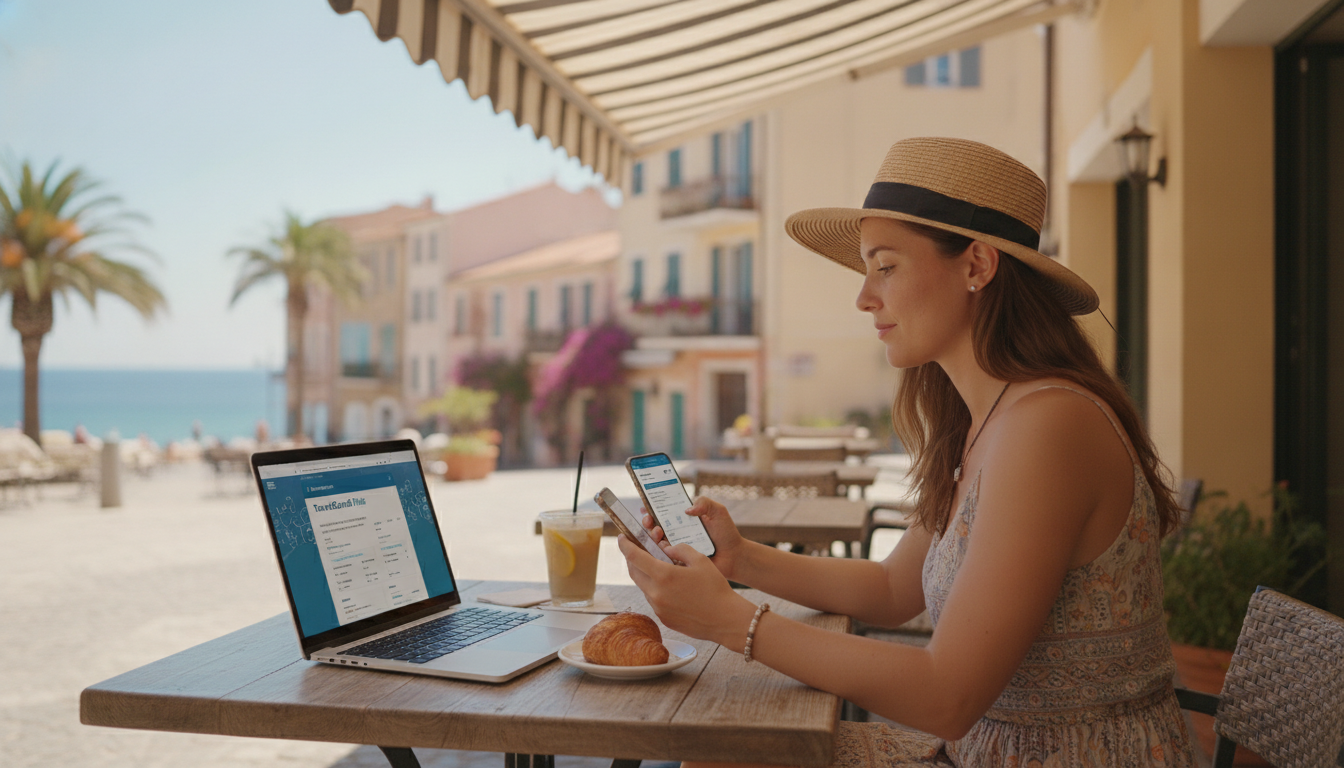
Travel safety tips often sound abstract, so here's the routine I actually follow. This list has proven itself over five years of work and travel in different countries:
- Share your location: Every evening I send my mom a live location on WhatsApp for 15 minutes, especially at new accommodations.
- Split your cash: Never keep your whole budget in one place. I spread cash across my backpack, a money belt, and a hidden compartment in my suitcase.
- Know your local emergency contacts: Within the first 48 hours, I look up the nearest embassy or at least the country's emergency number.
- Plan an escape route: I never book the last night in advance, so I can move out right away if something feels off.
- Limit alcohol: Especially in new places, I stick to one or two drinks at most so I can always stay in control.
This routine takes less than ten minutes a day, but it has saved me from uncomfortable situations more than once. Backpacking safety doesn't mean eliminating every risk. It means defusing the most likely sources of danger.
Avoiding Dangers Abroad: The Underestimated Risks
Avoiding dangers abroad doesn't just mean watching out for muggings or theft. The bigger danger is often financial: poorly calculated budgets that push you into precarious job situations, or accommodation you accept out of desperation even though it feels unsafe. If you plan your budget realistically, for example with a calculation of your work and travel costs, you reduce exactly this risk significantly.
Social isolation is another underestimated risk factor. If you're on your own for weeks, loneliness can sometimes lead you to make decisions you otherwise wouldn't, like spontaneously getting in a car with strangers or handing out your address. A solid network, even a digital one, counteracts that.
Funding Your Trip Without Risky Compromises
Some travelers come under pressure when money runs short, and then accept jobs or situations they'd otherwise turn down. Today there are plenty of ways to fund a year abroad responsibly, from scholarships to crowdfunding. Alternative funding models like sugar dating are also being discussed, as I described in my firsthand account of sugar dating to fund a year abroad. What matters most, whichever route you choose, is that you stay in control of the pace and your boundaries.
Creating an Emergency Plan for Solo Travelers
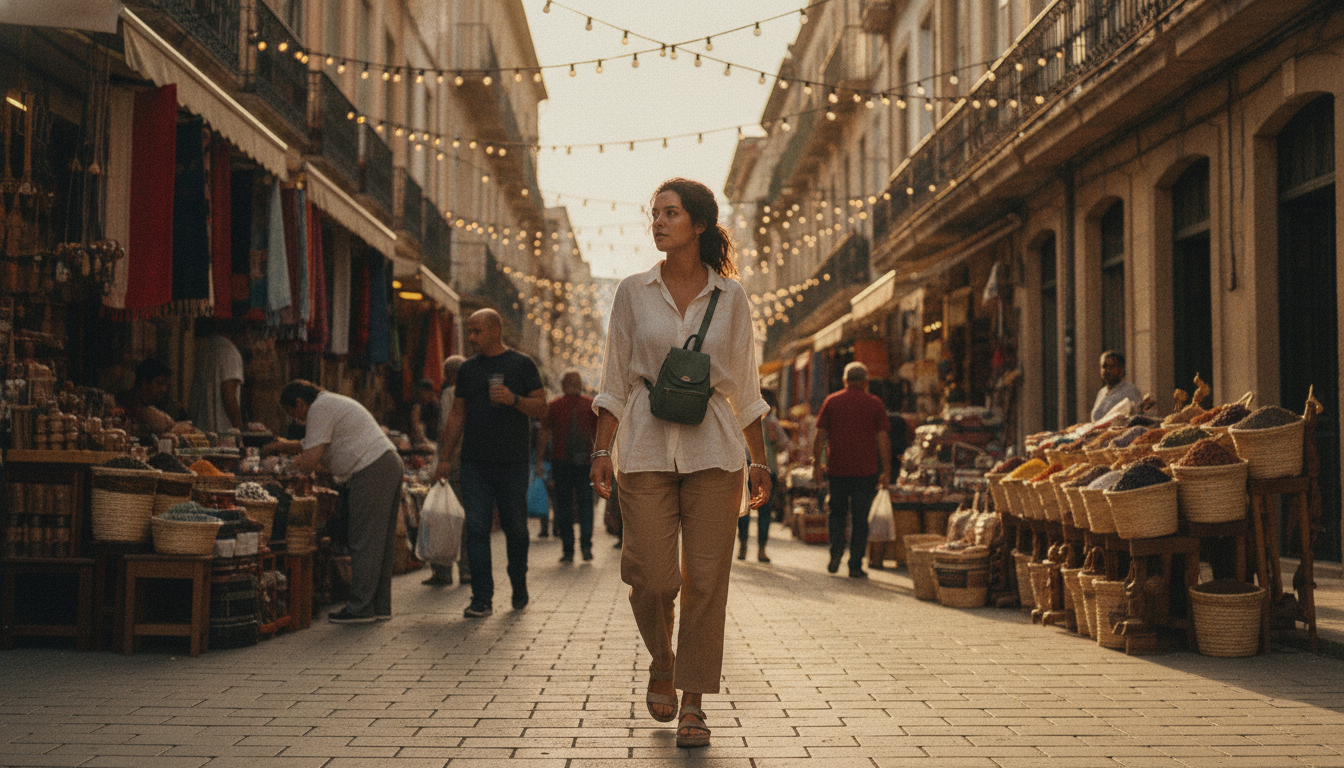
An emergency plan for solo travelers doesn't have to be complicated, but it has to be in place before you leave, not improvised along the way. I wrote mine on a single page: embassy contact details, my insurance number, two trusted people back home along with their time zones, and a list of hospitals in the first city.
That page is stored digitally in the cloud and as a photo on my phone, available offline. How important clear documents are overall also shows up in organizational topics like the double taxation agreement abroad, which has nothing to do with acute safety but shows how much easier everything runs with good preparation.
Frequently Asked Questions About Work and Travel Safety
What's the best way to protect myself from theft abroad?
Spread your cash and documents across several places on your body and in your luggage instead of carrying everything in one spot. Also use a lock for your backpack in crowded areas like buses or train stations.
Is work and travel safe for women traveling alone?
Yes. With preparation, traveling safely as a woman is very doable, but it takes extra caution with accommodation and transportation. Live location sharing and vetted taxi apps reduce the risk significantly.
What insurance do I need for work and travel?
Travel health insurance is mandatory in most programs and covers medical treatment and often repatriation costs as well. Before you leave, check exactly which benefits are included in your destination country.
What belongs in an emergency plan for solo travelers?
A good emergency plan includes embassy contact details, your insurance number, two trusted people, and the nearest hospitals. Save this information digitally and make sure you can access it offline on your phone.
How do I find safe accommodation while backpacking?
Look for places with at least 50 reviews and read comments from other solo travelers in particular. Lockable room doors and a 24-hour front desk are important minimum criteria.
Conclusion: Work and Travel Safety Is Planned, Not Accidental
Work and travel safety doesn't come from luck. It comes from a combination of good preparation, alert behavior on the ground, and a realistic emergency plan. The checklist may sound like a lot of effort at first glance, but you can get it done in a few hours before departure. If you also plan your budget soundly and deal with your visa and insurance ahead of time, you reduce the biggest risk factors considerably.
If you're in the middle of planning right now, also take a look at which countries are best suited for your work and travel year, including from a safety standpoint. Take the time to prepare, and you'll actually be able to enjoy the trip instead of just getting through it.